

Anxiety Therapy In Coeur d’alene, Idaho
Find Relief from Anxiety and Reclaim Your Peace of Mind
Living with anxiety can feel exhausting. Your mind may constantly race with "what if" thoughts, your body may feel tense or on edge, and it may seem difficult to relax even when there's no immediate danger. Anxiety can interfere with your relationships, work, sleep, and ability to enjoy everyday life.
At Tropical Talk Therapy, I provide compassionate, evidence-based anxiety therapy for adults in Coeur d'Alene, Idaho. Together, we'll work to understand the underlying causes of your anxiety, develop effective coping strategies, and help you regain confidence and emotional balance.
Whether you've struggled with anxiety for years or have recently noticed increasing worry, therapy can help you move forward with greater calm and resilience.
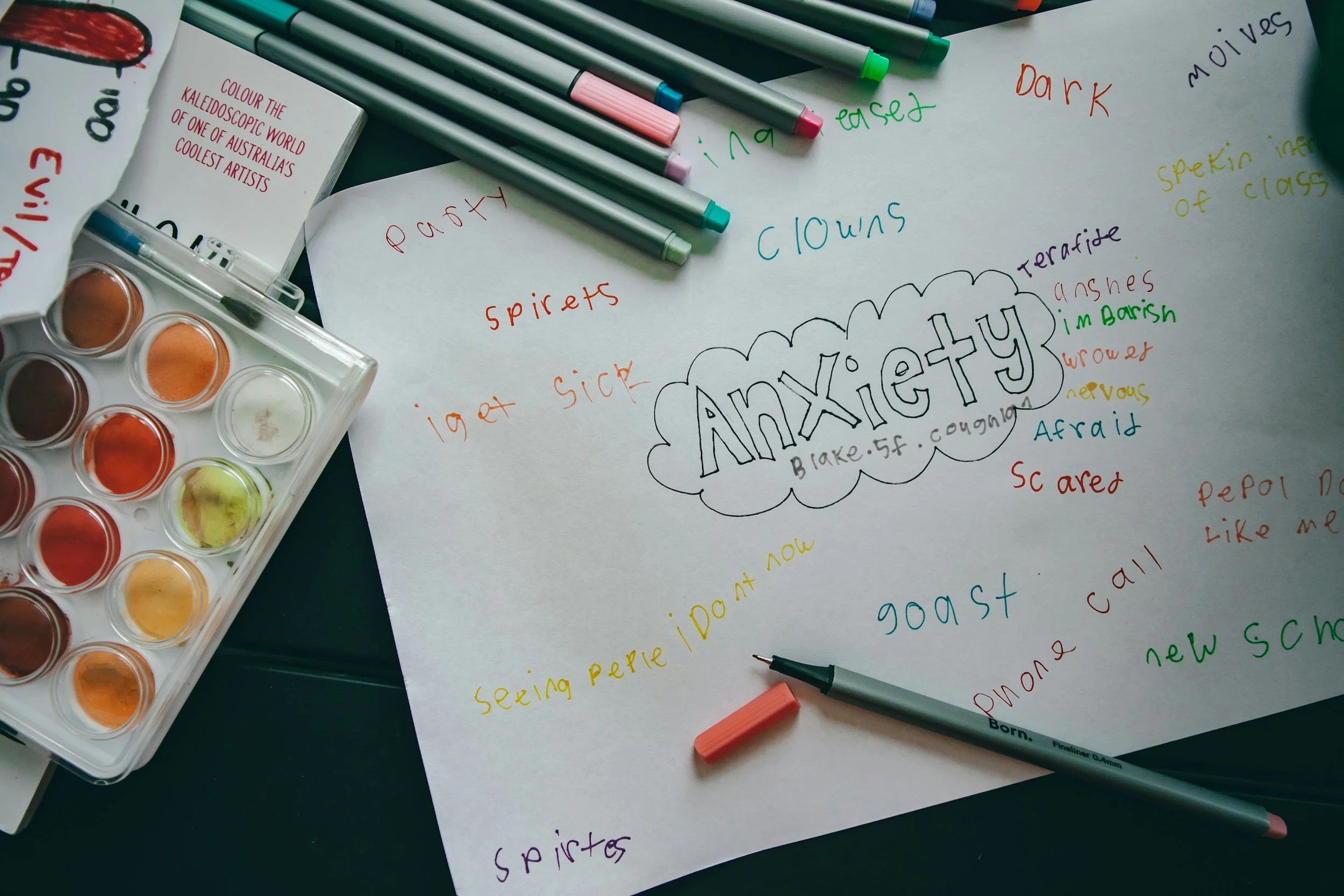
What Is Anxiety?
Anxiety is more than occasional stress or nervousness. While everyone experiences worry from time to time, anxiety becomes problematic when it is persistent, overwhelming, or begins interfering with your daily life.
Anxiety may show up in different ways, including:
Constant worrying
Racing thoughts
Difficulty relaxing
Feeling overwhelmed
Irritability
Trouble concentrating
Muscle tension
Sleep problems
Panic attacks
Avoiding situations that trigger fear
Difficulty making decisions
Feeling "on edge"
If these symptoms sound familiar, you're not alone. Anxiety is one of the most common reasons people seek therapy, and effective treatment is available.
Types of Anxiety I Help Treat
Every person's experience with anxiety is unique. I work with adults experiencing a variety of anxiety-related concerns, including:
Generalized Anxiety
Persistent worry about everyday situations that feels difficult to control.
Panic Attacks
Sudden episodes of intense fear accompanied by physical symptoms such as rapid heartbeat, dizziness, shortness of breath, or chest tightness.
Social Anxiety
Fear of being judged, embarrassed, or negatively evaluated by others.
Health Anxiety
Persistent worry about health concerns despite reassurance.
Performance Anxiety
Fear related to work, school, presentations, athletics, or other performance situations.
Relationship Anxiety
Fear of rejection, abandonment, conflict, or uncertainty within relationships.
Trauma-Related Anxiety
Anxiety connected to unresolved traumatic experiences, including childhood trauma, relationship trauma, or other distressing life events.

Signs You May Benefit from Anxiety Therapy
Many clients contact me because anxiety has started affecting multiple areas of their lives.
You may benefit from therapy if you:
Overthink conversations or decisions
Frequently expect the worst-case scenario
Feel overwhelmed by responsibilities
Experience panic attacks
Avoid social situations
Struggle with perfectionism
Constantly seek reassurance
Have difficulty sleeping because your mind won't slow down
Feel emotionally or physically exhausted
Notice anxiety affecting your relationships or work
Therapy can help you better understand these patterns while learning practical tools to manage them.
Why Choose Tropical Talk Therapy?
When you're looking for an anxiety therapist in Coeur d'Alene, Idaho, finding someone who understands your experiences matters.
My practice is built on:
Compassionate, client-centered care
Trauma-informed treatment
Individualized therapy plans
Evidence-based interventions
Collaborative goal setting
A supportive, nonjudgmental environment
My goal is to help you feel empowered—not defined by anxiety.
Schedule an Appointment
If you're ready to take the next step toward feeling calmer, more confident, and more in control of your life, I'd be honored to support you.
Contact Tropical Talk Therapy today to schedule an appointment and learn more about anxiety therapy in Coeur d'Alene, Idaho. Together, we'll create a plan that helps you move beyond anxiety and toward a life that feels more peaceful, connected, and fulfilling.